In a world where big announcements often steal the spotlight, the actual heroes are those who help steer the tide gently but surely. Such marvelous people are Srishtisewaks. These are those individuals who are on a mission to save our planet, our society, and our future. All you have to do is have a heart that has the purpose and deeds that are based on kindness, without having a megaphone and a million followers.
Want to be like Srishtisewaks? Then this blog will tell you what 10 steps are required to be like a Srishtisewak.
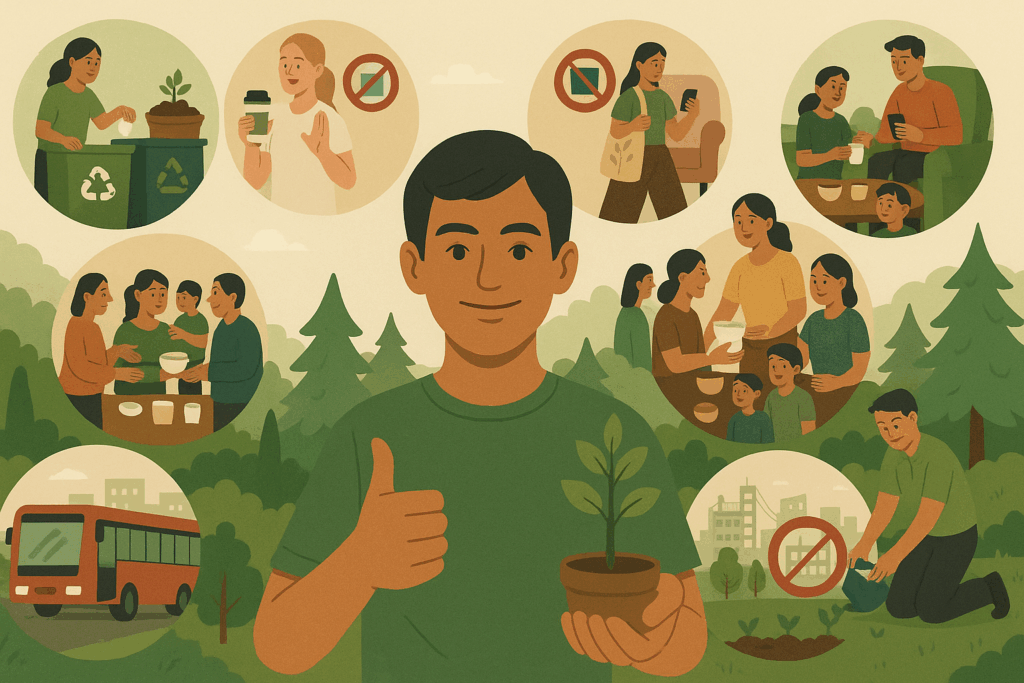
1. Do waste segregation at home: Waste segregation means separating your dry and wet waste effectively, either at home or in businesses, so that they can be recycled, composted, and disposed of properly. This practice helps in reducing landfills and avoiding environmental pollution.
Impact: When the households have 2.5 kgs less waste, total waste will amount to 50 million kgs, implying that green waste in landfills is due to 10 million houses daily. Every house makes a difference.
2. Start composting organic waste as a community: When all households come together to compost their organic waste, such as orange peels, vegetable cuttings, tea leaves, and garden trimmings, they actually transform ordinary garbage into gold. Instead of letting this waste end up in landfills, where it can reach water bodies and pollute them, composting this organic waste would convert it into manure that is rich in nutrients that can be used in gardens, parks or even a nearby farm.
Impact: The production of organic manure helps in reducing the usage of hazardous pesticides and chemical fertilizers, thus strengthening the soil, fostering cleaner food, and reducing land pollution.
3. Don’t use single use items: Using disposal material like plastic,thermocol and styrofoams comes with a massive environmental threat, for example, when burned they release toxic gases; when thrown away, they clog sewers and drains, causing waterlogging, flooding and stagnant water pools—perfect breeding grounds for mosquitoes and other harmful insects, thus spreading diseases like dengue, malaria, and chikungunya. Even worse, they don’t break down for hundreds of years, thus staying in our environment and harming wildlife and human health alike.
Impact: All the problems mentioned above can be solved if we stop using single-use products and start using biodegradable products like cloth bags, steel or bamboo cutlery, reusable containers, and biodegradable packaging.
4. Carry your own shopping bag: The best thing you can do to preserve the environment is to carry a shopping bag made up of cloth or biodegradable material, especially if you are carrying milk, eggs, vegetable or anything else in it, otherwise you pick up 5 to 10 plastic bags per visit. Unfortunately, these bags end up in the trash, clogging drains, polluting streets and harming animals.
Impact: If a few people refuse to use at least one or two plastic bags every day, the impacts can be enormous. The use of biodegradable bags helps in reducing plastic bags, thus keeping the environment pollutant-free and saving money for both the consumer and shopkeeper.
5. Avoid buying things impulsively: In today’s world of gratification and flashy ads, it’s very easy to fall into the trap of buying new gadgets, fashionable clothes or a vehicle that you don’t even require, but every new product comes at a hidden cost to our pocket, environment and even our overall well-being.
Impact: Buying new things impulsively leads to older items, which may still be usable, being dumped in landfills. For instance, an old phone having rare metals, a car emitting toxic fluids, or clothes made up of synthetic fibers all contribute to toxic waste in the environment, and all these can be repaired, reused or shared. So thoughtful consumption is very important as it reduces the load on landfills and environmental harms and helps in creating a cleaner planet through mindful everyday choices.
6. Share more with family, with neighbours and your community: Many things in our home like food, appliances, utensils, tools, party decorations and finally travel bags, are those items that are used only once or rarely. Instead of letting them gather dust or end up as waste products, share them with other people around you.
Impact: Sharing your old items with neighbors not only saves money but also restores community ties, thus representing a sustainable and caring culture. It minimizes unnecessary consumption and waste, avoids duplication of rarely used products, and reduces emissions produced from packaging and manufacturing these products. Most importantly, it passes on values like simplicity, trust and learning to support each other.
7. Use public transport: In the present scenario, using private cars for traveling is becoming a new norm, but this growing individualism creates several problems for society like traffic congestion, air pollution, higher stress levels and even rising health issues like obesity due to less physical movement.
Impact: Having more cars on the roads leads to air and noise pollution. Thus, using public transport like the metro, bus, or train not only helps in reducing the number of vehicles on the road but also lowers emissions and eases urban traffic as well. Plus, walking some distance adds physical activity, reduces stress and improves your overall health.
8. Carry your own water bottles: You may presume it is a very small thing, but this one habit can create a massive ripple effect. Every time you choose to refill your bottle instead of buying a new water bottle, you are choosing environmental safety over convenience as you reduce plastic bottles in the environment.
Impact: Now think of this: if a fraction of the population starts carrying their own reusable bottles, then lakhs of plastic bottles will disappear from the waste stream, which directly means less plastic in landfills and rivers and also it will put pressure on companies and govt to install water coolers at public places thus reducing dependence on single-use plastics.
9. Stop investing in real estate beyond your needs: Having a lovely home is everybody’s dream, but owning more than one home just for the purpose of investment is turning into a very dangerous trend for the environment because it is creating three problems: one, reducing agricultural land; two, distorting housing demand; and lastly, creating ghost towns.
Impact: In the past few decades, many so-called urban hubs consisting of brand-new houses have been developed all over the country and sold out, but they remain empty, which means no communities, no people and no life exists there, while precious agricultural land is lost forever. So it’s time to break the narrative that real estate is real growth because its obsession fuels many problems like deforestation, over-construction, and rising costs. Thus, we should invest sustainably—buy only what is truly needed.
10. Start gardening, rebuild your connection with nature: In this digital world, we have lost our connection with the rhythms of nature, but you may feel something magical when you dig your hands into the soil—you reconnect with elements—soil, water, air and quiet life teeming around us—from fluttering butterflies to the roots growing beneath the surface.
Impact: Growing even a single plant on your balcony can change your perspective; for example, growing tomatoes teaches you patience, and watching bees pollinate flowers reminds us that nature is a silent labor. Doing gardening helps in reducing stress and improves mental health. It also builds empathy for farmers who feed us every day and deepens respect for the ecosystem—sun, soil, water and pollinators—that sustains us. Try growing one vegetable and feel the change.
Final Thoughts
Real change on the ground can happen if we take small, committed acts to save the environment. A Srishtisewak is not a person with power—they are someone who empowers and encourages people to save the environment. Not someone who shouts, they are someone whose actions speak louder than words.
Your every choice shapes the world around you, and what legacy is better than one rooted in care? So take your steps forward. Initiate one simple change today and welcome to the path of real heroism.